Who was Maharani Kamsundari Devi?
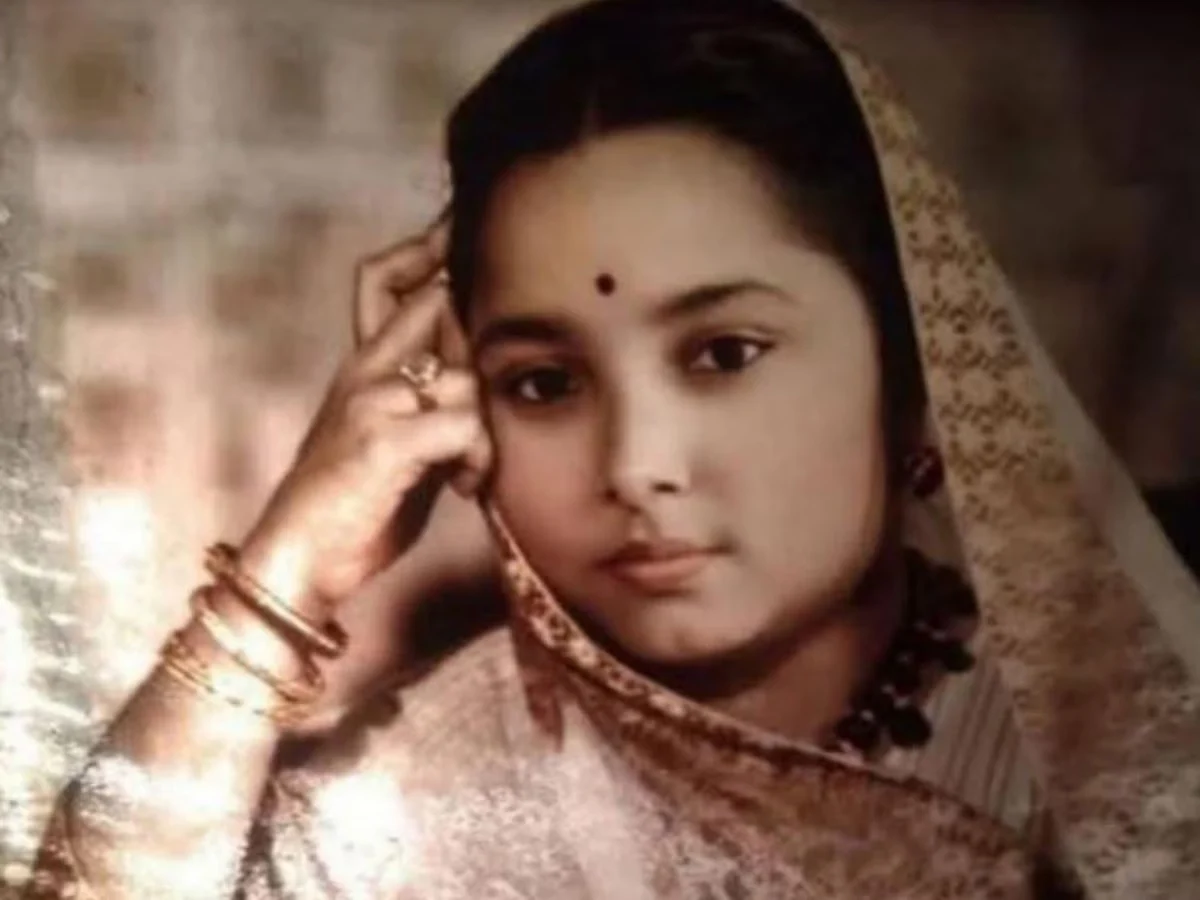
Maharani Kamsundari Devi was the last surviving Maharani of the historic Darbhanga Raj, one of the most influential royal estates of India. She belonged to the prestigious Darbhanga Raj, which played a major role in shaping the cultural, educational, and social landscape of Mithila and Bihar for centuries.
She came into national attention in January 2026 after her death, which was widely described by the media as “the end of an era.” Though she lived a largely private life, Maharani Kamsundari Devi symbolized the dignity, discipline, and legacy of India’s princely past.
| Details | Information |
| Full Name | Maharani Kamsundari Devi |
| Popular As | Last Maharani of Darbhanga |
| Date of Birth | Early 1930s (exact date not public) |
| Age at Death | Around 93–96 years |
| Birthplace | Bihar, India |
| Nationality | Indian |
| Religion | Hinduism |
| Royal House | Darbhanga Raj |
| Status | Royal Maharani |
| Residence | Kalyani Niwas, Darbhanga |
| Marital Status | Widow |
| Date of Death | January 12, 2026 |
| Place of Death | Darbhanga, Bihar |
Maharani Kamsundari Devi Early Life
Maharani Kamsundari Devi was born into a time when royal traditions, discipline, and social responsibility were central to princely households. She grew up in an environment of:
- Cultural refinement
- Religious observance
- Deep respect for learning and charity
Her early years were shaped by palace traditions that emphasized grace, silence, and service, especially for royal women. From childhood, she was trained to:
- Maintain royal decorum
- Follow religious rituals
- Support charitable and cultural causes
Unlike modern times, royal women of her generation were rarely in the public spotlight, yet they played a powerful role behind the scenes.
Maharani Kamsundari Devi Education
While exact academic details are not publicly documented, Maharani Kamsundari Devi received traditional royal education, which typically included:
- Sanskrit and regional literature
- Religious texts
- Court etiquette and administration
- Cultural arts and rituals
Her education focused more on wisdom, ethics, and responsibility rather than modern professional careers.
Maharani Kamsundari Devi Family & Royal Background
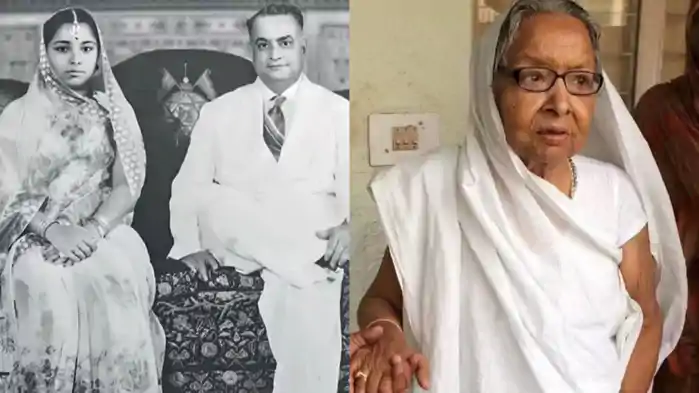
Maharani Kamsundari Devi was part of the Darbhanga Raj, one of India’s richest and most influential zamindari estates before independence.
About Darbhanga Raj
The Darbhanga Raj:
- Ruled large parts of Mithila
- Was known for patronage of education and culture
- Supported temples, scholars, and institutions
The royal family was respected not only for wealth but also for philanthropy and nationalism.
Role as Maharani
As Maharani, Kamsundari Devi:
- Represented royal dignity and continuity
- Oversaw household and palace traditions
- Supported religious and social duties
She lived mostly at Kalyani Niwas, the royal residence in Darbhanga, and followed a disciplined daily routine rooted in tradition.
Even after independence and the abolition of privy purses, she maintained the moral authority and respect associated with the Darbhanga royal family.
Contribution to National Legacy
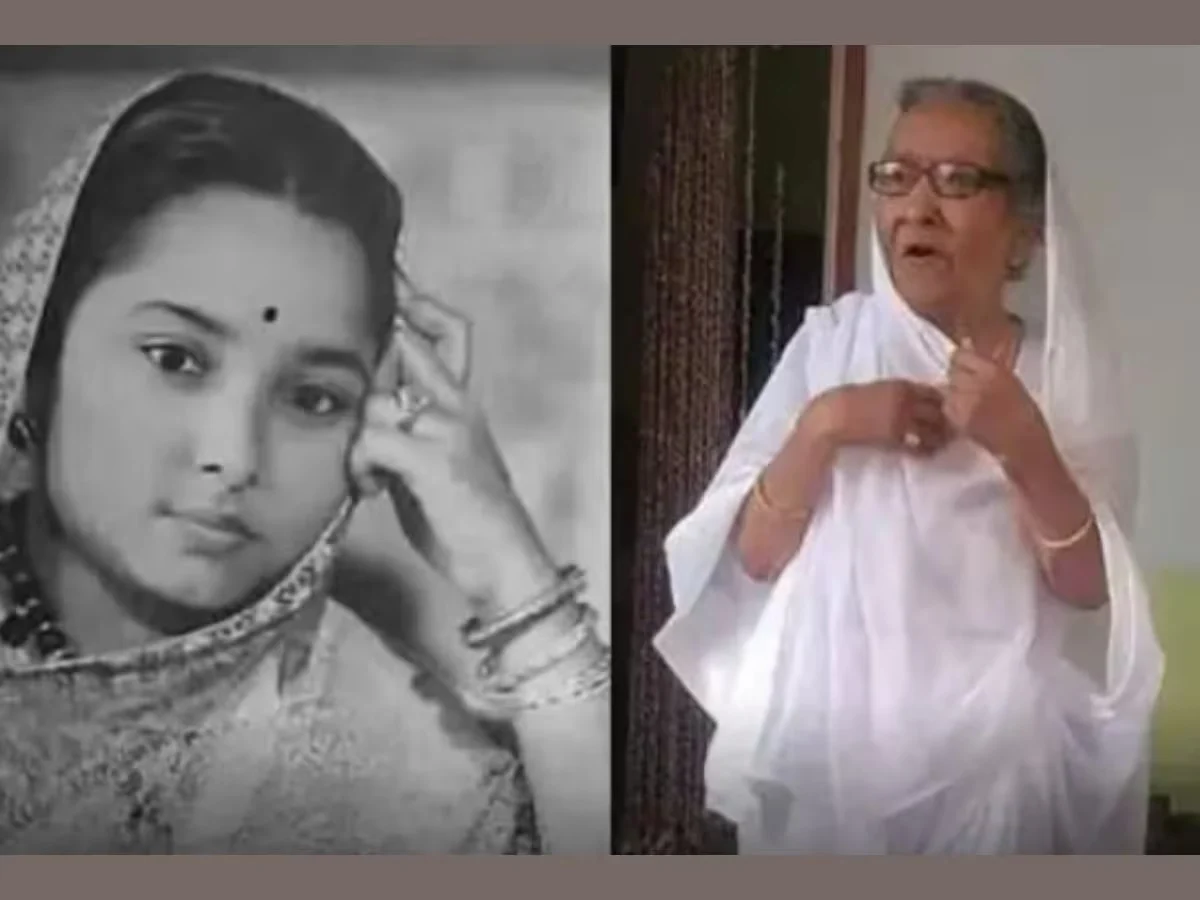
Although Maharani Kamsundari Devi herself stayed away from politics, she was closely associated with the Darbhanga Raj’s historic contribution to India.
Historic Patriotism
The Darbhanga royal family famously:
- Donated 600 kg of gold during the 1962 India–China War
- Offered private aircraft to the Indian government for national use
This gesture is remembered as one of the greatest acts of royal patriotism in independent India.
Life After Independence
Post-independence, Maharani Kamsundari Devi adapted to changing times:
- Royal power ended, but respect remained
- Palace life became simpler
- Focus shifted to spiritual and cultural continuity
She chose a quiet, dignified life, staying away from media attention while continuing to uphold traditions.
Maharani Kamsundari Devi Personal Life
Maharani Kamsundari Devi was known for her:
- Simplicity
- Discipline
- Deep religious faith
Her daily life revolved around:
- Prayer and rituals
- Reading religious texts
- Maintaining royal customs
She avoided public appearances and preferred a private and peaceful life, which increased respect for her among locals.
Maharani Kamsundari Devi Death & Final Rites
Maharani Kamsundari Devi passed away on January 12, 2026, after prolonged illness.
Funeral Details
- Last rites were performed at Shyama Mai Temple
- Funeral followed traditional royal customs
- Her grandnephew Ratneshwar Singh lit the funeral pyre
Her death was widely covered by national media, calling it “the end of a living royal chapter.”
Funeral Controversy
During her funeral:
- Disputes reportedly arose among extended family members
- Tensions related to estate and trust management surfaced
- Police intervention was required to maintain order
Despite this, the funeral was completed with full royal dignity.
Public Reaction & Tributes
After her death:
- Political leaders from Bihar paid tribute
- Historians highlighted Darbhanga Raj’s legacy
- Locals mourned the loss of a royal symbol
Many described her as the final link between modern India and princely-era Mithila.
Legacy
Maharani Kamsundari Devi’s legacy lies in:
- Preserving royal traditions
- Symbolizing dignity without power
- Representing silent service and grace
Her life reminds people that true influence does not always need publicity.
Maharani Kamsundari Devi Physical Appearance (Traditional Description)
| Feature | Description |
| Attire | Traditional royal sarees |
| Jewelry | Minimal, traditional |
| Personality | Calm, dignified |
| Lifestyle | Simple & disciplined |
Interesting Facts about Maharani Kamsundari Devi
- She was the last living Maharani of Darbhanga Raj.
- She lived mostly away from media attention.
- Her death was termed “end of an era.”
- Darbhanga Raj donated 600 kg gold in 1962 war.
- She resided at Kalyani Niwas till her death.
- Her funeral followed centuries-old royal customs.
- She symbolized royal dignity after independence.
- Her life reflected discipline, faith, and silence.
FAQs
Q1. Who was Maharani Kamsundari Devi?
She was the last Maharani of the Darbhanga Raj.
Q2. When did Maharani Kamsundari Devi die?
She passed away on January 12, 2026.
Q3. Why is Maharani Kamsundari Devi important?
She symbolized the end of Darbhanga’s royal era.
Q4. Where did she live?
She lived at Kalyani Niwas, Darbhanga.
Q5. What was Darbhanga Raj famous for?
Cultural patronage, education, and patriotism.
Q6. Was she politically active?
No, she maintained a private life.
Q7. Where were her last rites performed?
At Shyama Mai Temple, Darbhanga.
Q8. What is her legacy?
Royal dignity, tradition, and silent service.
Read more biographies and success stories of business leaders, celebrities, healthcare professionals, etc. at Leader Biography.